Mental Health in Nepal
Mental health affects how we manage stress, maintain relationships, make decisions and respond to the challenges of everyday life. Yet, when emotional difficulties arise, many people find themselves trying to manage everything alone. Work responsibilities, family expectations, financial pressure and concerns about what others might think can make it difficult to acknowledge that something is wrong.
In Nepal, conversations about mental health are gradually becoming more visible, but understanding when and how to seek professional support remains important. People may recognise that they are struggling without knowing what kind of help they need or where to begin.
Professional mental health counseling offers a space to understand these experiences with guidance from a trained professional. It is not reserved for people experiencing a mental health crisis. It can also help individuals navigate difficult life transitions, recurring stress, relationship concerns and emotions they have struggled to express.
For anyone exploring mental health counseling in Nepal, understanding the role of professional counseling is a useful first step towards making an informed decision about personal well-being.
Here are five important reasons professional counseling matters and how it can support people in their everyday lives.
Understanding Mental Health in Nepal
Mental health is an important part of overall health. It influences how people think, feel, relate to others and cope with the demands of daily life. Good mental health does not mean feeling happy all the time or never experiencing stress. It means having the resources and support to navigate different experiences and seek help when needed.
The need for mental health support in Nepal is reflected in national research.
A nationwide study published in the Journal of Nepal Health Research Council examined mental disorders among adults and adolescents across Nepal. Based on the 2019–2020 National Mental Health Survey, the researchers estimated that 10% of adults aged 18 and above had experienced a mental disorder during their lifetime. The corresponding lifetime estimate among adolescents aged 13–17 was 5.2%.
These figures describe lifetime prevalence, not the proportion of people currently experiencing a mental health condition. Nevertheless, the findings demonstrate why mental health deserves sustained attention as a public health concern.
You can read the original research, A Nationwide Prevalence of Common Mental Disorders and Suicidality in Nepal, for details about the survey and its findings.
Access to appropriate support also remains a concern. In a July 2026 announcement, UNFPA Nepal reported that mental health services remained fragmented, concentrated in urban areas and constrained by shortages of trained personnel. The announcement also cited findings from the Nepal Multiple Indicator Cluster Survey 2024–25, according to which 9.3% of young people aged 15–24 reported symptoms of depression or anxiety. This figure refers to reported symptoms in that age group, not confirmed diagnoses across the population.
These findings highlight the importance of improving access to appropriate mental health information and care. They do not mean that every person experiencing stress has a mental health disorder. Instead, they reinforce the value of recognising emotional difficulties and understanding the support available.
5 Reasons Professional Counseling Matters for Mental Health in Nepal
1. It Helps You Understand and Manage Difficult Emotions
Emotions are part of everyday life. Stress before an important examination, sadness after a loss, frustration during a disagreement or worry about financial responsibilities are understandable responses to challenging circumstances.
However, emotions can become difficult to manage when they persist, feel overwhelming or begin to affect everyday functioning.
Someone may find themselves becoming irritated over minor issues, worrying about situations they cannot control, withdrawing from people they care about or struggling to explain why they feel unhappy. Another person may continue meeting their responsibilities while privately feeling exhausted and emotionally disconnected.
These experiences can be confusing, particularly when there is no single event that explains how the person feels.
Professional mental health counselling can help people recognise emotional patterns, explore possible contributing factors and develop more constructive ways of responding.
Rather than simply telling someone to calm down or think positively, a counselor can help them examine what they are experiencing and understand how their thoughts, emotions and behaviour may influence one another.
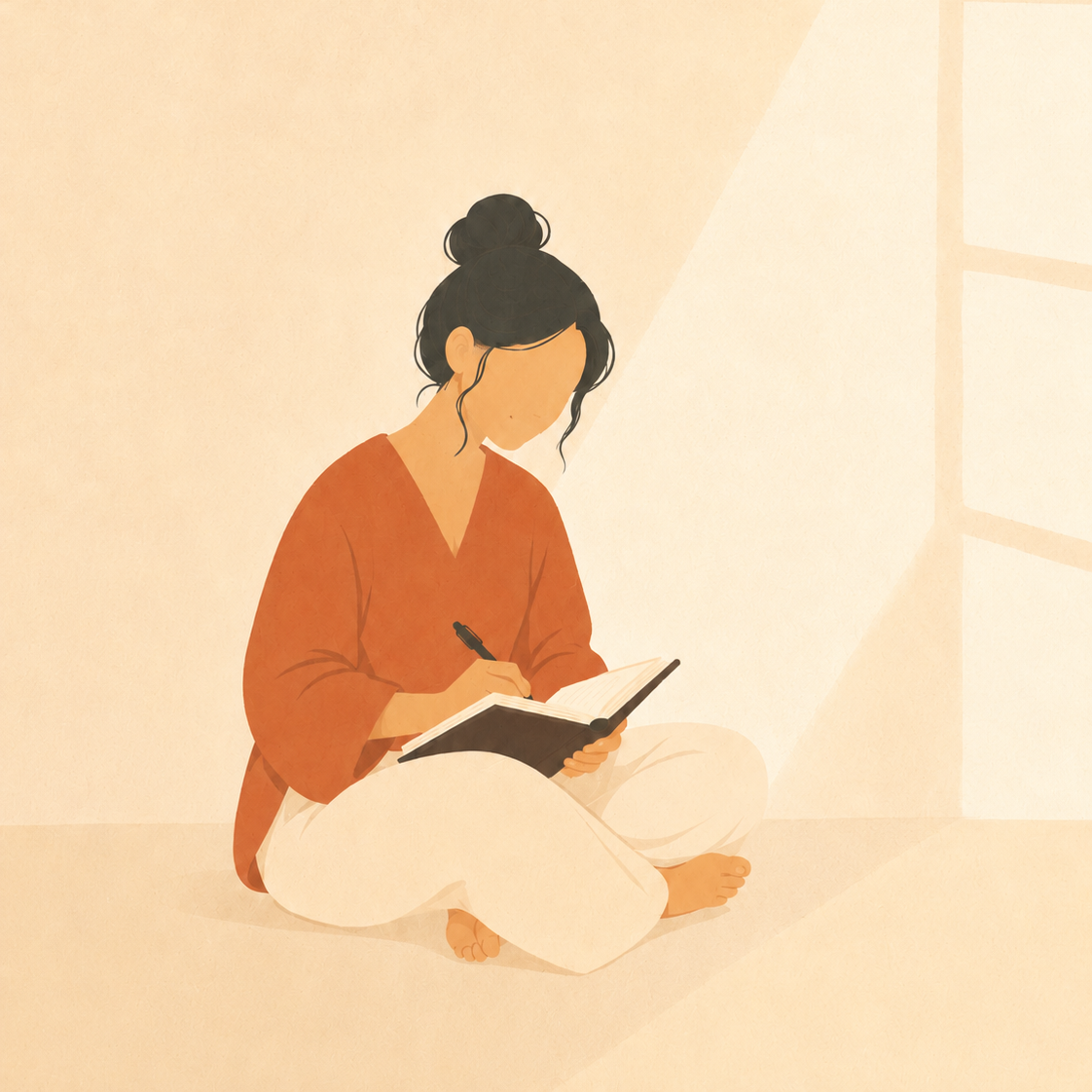
For example, imagine a university student in Nepal who feels increasingly anxious about academic performance. Every examination becomes a source of worry, and even after completing an assignment, the student continues thinking about what might go wrong. Sleep becomes difficult, concentration suffers and ordinary tasks begin to feel overwhelming.
Counseling may provide an opportunity to explore the student's concerns, identify unhelpful patterns of thinking and practise strategies for responding to pressure.
The aim is not to eliminate every uncomfortable emotion. It is to help the person understand their experiences and develop ways to manage them more effectively.
The NHS guide to counseling explains how talking therapy can help people explore difficult emotions, life events and relationship problems while working towards their own solutions.
Why this matters in Nepal: Academic expectations, employment pressures, family responsibilities and financial uncertainty can create competing demands. Having a space to understand these pressures may help people respond more thoughtfully rather than feeling compelled to manage everything alone.
2. It Encourages People to Seek Help Before Difficulties Become Overwhelming
One common misconception about mental health support is that a person must reach a breaking point before seeking professional help.
In reality, people do not need to wait until their difficulties become severe to ask for support.
Early support can be valuable when emotional distress starts affecting sleep, concentration, relationships, work, studies or the ability to manage everyday responsibilities. It can also be appropriate when a person notices a recurring pattern that they do not know how to change.
These experiences can have different causes and do not establish a diagnosis on their own. A qualified professional can help assess the nature of the difficulties and identify an appropriate next step.
Professional counseling offers an opportunity to explore concerns before they become harder to manage. It may help someone recognise triggers, understand their emotional responses and develop practical ways to cope with everyday challenges.
This does not mean that counseling will prevent every mental health condition or that all difficulties can be resolved through talking therapy alone. The appropriate form of support depends on the person's circumstances, symptoms, preferences and clinical needs.
It is also important not to delay seeking help when distress is severe, daily functioning is significantly affected or safety is a concern.
Why this matters in Nepal: People may continue carrying emotional difficulties because they believe their problems are not serious enough to deserve attention. Recognising that support is appropriate before a crisis can help make mental health care a more ordinary part of looking after oneself.
3. It Provides a Supportive Space to Discuss Stigma, Shame and Personal Concerns
Mental health difficulties do not always come with an obvious explanation. Sometimes, the challenge is not only what a person is experiencing but also the fear of telling someone about it.
A person might worry that their family will misunderstand them, that friends will judge their decisions or that asking for professional support will be interpreted as weakness. They may feel pressure to appear strong, grateful or successful even when they are struggling internally.
These concerns can make it difficult to speak openly.
In some families and communities, emotional problems may be minimised with comments such as, “Everyone has problems,” “You need to be stronger,” or “Why are you thinking so much?” Such comments may be intended to encourage someone, but they can leave the person feeling that their distress is not being taken seriously.
Professional counseling creates an opportunity to discuss personal experiences without needing to present a perfect version of oneself.
A counselor can help a person examine feelings of shame, understand the expectations influencing their decisions and explore what they need. The process should be guided by respect, professional boundaries and an understanding of the individual's circumstances.
For example, someone experiencing anxiety may feel guilty because their family has made considerable sacrifices for their education or career. They may believe they have no right to struggle because other people have fewer opportunities.
Counseling can help them recognise that gratitude and emotional distress can exist at the same time. Appreciating family support does not mean ignoring personal difficulties.
Similarly, someone dealing with grief may feel pressured to return to normal quickly because others expect them to move forward. Professional support can provide room to discuss the loss and understand how it is affecting everyday life without imposing a fixed timetable for recovery.
Counseling is not about convincing people to reject their families, traditions or cultural values. It is about helping them understand their experiences, identify which expectations are helpful or harmful, and make considered decisions about their well-being.
Why this matters in Nepal: When fear of judgement makes emotional difficulties harder to discuss, access to a respectful professional space can be an important step towards seeking support. People should not have to prove that their suffering is severe enough before their concerns are heard.
4. It Helps People Build Healthier Relationships and Communication Patterns
Mental health is closely connected to relationships. Difficulties at home, disagreements with a partner, tension between family members or repeated misunderstandings can affect emotional well-being. At the same time, stress and unresolved emotions can influence how people communicate with others.
Sometimes, the same conflict happens repeatedly without either person fully understanding why.
One partner may become quiet during disagreements, while the other pushes for an immediate conversation. One family member may express concern through criticism, while another experiences that criticism as rejection. Over time, these responses can create frustration, distance and resentment.
Good intentions alone do not always resolve these patterns.
Professional counseling can help individuals understand their communication habits, recognise emotional triggers and consider how their responses affect relationships. Depending on the concern, individual counseling may be appropriate, or couples or family counseling may provide a useful setting for working through shared difficulties.
For instance, a person who avoids difficult conversations may discover that silence helps them escape immediate conflict but leaves important concerns unresolved. With professional guidance, they may explore ways to express their needs more clearly and tolerate uncomfortable conversations.
In couples counseling, partners may work towards understanding one another's perspectives, identifying recurring disagreements and developing more constructive ways to communicate. Family counseling can provide a structured opportunity for family members to discuss shared concerns and better understand differing experiences.
The goal is not to determine that one person is always right and the other is always wrong. It is to understand the patterns contributing to the difficulty and explore changes that are appropriate for the people involved.
However, joint counseling is not suitable for every relationship situation. Where abuse, coercion or fear is present, safety should come first, and individual professional guidance may be more appropriate.
Why this matters in Nepal: Family connections and close relationships can be important sources of support, but they can also involve complex expectations and responsibilities. Professional counseling can help people approach relationship difficulties with greater understanding and more considered communication.
5. It Supports Personal Growth, Resilience and More Informed Decisions
Professional counseling is not only about addressing distress. It can also help people understand themselves more clearly, examine recurring patterns and make decisions that better reflect their needs and values.
People sometimes reach a point in life when their usual ways of coping no longer feel sufficient. A change in employment, a new responsibility, the end of a relationship, a major loss or uncertainty about the future can prompt questions about identity, priorities and direction.
Others may recognise that they repeatedly struggle with boundaries, self-confidence or the fear of disappointing people.
These concerns do not automatically indicate a mental health condition. However, they can still be meaningful reasons to seek guidance.
Counseling provides a space to reflect on these experiences and consider how past events, current circumstances and personal expectations may influence present decisions.
For example, a professional may feel unable to decline additional work because they worry that setting boundaries will disappoint their colleagues. Even when exhausted, they continue accepting responsibilities and eventually find it difficult to maintain a healthy balance between work and personal life.
Through counseling, they may explore the beliefs contributing to this pattern, clarify their priorities and practise ways of communicating boundaries.
Another person might be adjusting to a major life transition and feel uncertain about what comes next. Counseling may help them identify what matters most, consider available options and approach decisions with greater clarity.
Resilience does not mean being unaffected by difficult experiences. It involves developing ways to respond to challenges while recognising personal limits and seeking support when needed.
Progress also looks different for different people. Some may notice changes in how they respond to stressful situations, while others may need longer-term or additional support. There is no universal timeline for personal growth.
Why this matters in Nepal: Education, employment, migration-related family changes, care-giving and changing social expectations can bring important transitions. Professional counseling can help people navigate these experiences without assuming they must have every answer on their own.
When Should You Consider Professional Counseling?
You do not need to have a diagnosis or wait until a situation becomes unbearable before considering counseling.
It may be worth exploring professional support if you notice any of the following:
- Persistent worry or stress: You find it difficult to manage worry, relax or switch off from stressful thoughts.
- Changes in mood: You experience ongoing sadness, irritability, emotional exhaustion or a loss of interest in activities you previously enjoyed.
- Difficulty managing everyday life: Concentration, sleep, work, studies or ordinary responsibilities have become harder to manage.
- Relationship difficulties: The same disagreements keep returning, communication has become strained or you are struggling to express your needs.
- Grief or a major life transition: A loss, separation, change in circumstances or new responsibility is affecting your emotional well-being.
- Unhelpful recurring patterns: You repeatedly experience self-doubt, struggle with boundaries or find yourself responding to situations in ways you want to understand better.
- Feeling overwhelmed without a clear explanation: You know that something does not feel right, even if you cannot identify a single cause.
These experiences do not necessarily indicate a mental health disorder. Their significance depends on factors such as duration, intensity, personal circumstances and the extent to which they affect everyday functioning.
You also do not have to experience every sign on this list. If your concerns are affecting you, a qualified professional can help you explore what is happening and consider the support that may be appropriate.
If physical symptoms such as persistent fatigue, pain, breathlessness or changes in sleep are involved, do not automatically assume they are caused by stress or anxiety. Medical assessment may also be important.
What Happens During Professional Counseling?
For someone who has never attended counseling, uncertainty about the process can be a barrier in itself.
People may wonder what they will be expected to say, whether the counselor will judge them or if they need to prepare a clear explanation of their problems.
In general, counseling is a collaborative process. You do not need to arrive with a complete understanding of your feelings or a list of solutions.
1. You discuss what has brought you to counseling
An initial conversation may involve discussing your current concerns, relevant experiences and what you hope to understand or change.
You might know exactly what is troubling you, or you might simply feel overwhelmed and unsure why. Both are reasonable starting points.
2. You explore your experiences at your own pace
A counselor may ask questions to help you reflect on your thoughts, feelings, behaviour and circumstances. You can work towards understanding the issues that matter to you without expecting yourself to explain everything perfectly in one session.
3. You work towards meaningful goals
Depending on your needs, counseling may involve identifying emotional patterns, exploring coping strategies, improving communication or working through a difficult experience.
Goals can change as you gain a better understanding of your concerns.
4. You review what is helping
Counseling is not a guarantee of immediate change. It is reasonable to discuss your progress, ask questions and raise concerns if the approach does not seem suitable for you.
A productive counseling relationship is built on trust, respect and a sense of emotional safety. Some conversations may feel challenging, but you should be able to discuss your concerns about the process.
5. You consider the next appropriate steps
The type and duration of support depend on individual needs. Some concerns may benefit from a focused period of counseling, while others require ongoing support or assessment by another health professional.
A qualified professional can help you understand the options available and identify when additional care may be needed.
Is Online Counseling an Option for People in Nepal?
Online counseling can make professional support more accessible for people who prefer to speak with a counsellor remotely.
For someone balancing work, education, care-giving or other responsibilities, attending sessions online may reduce travel requirements and make it easier to find a suitable time. It may also offer a more familiar setting in which to begin discussing personal concerns.
However, online counseling is not automatically suitable for everyone or every situation. Access to a private space, a reliable internet connection and the appropriate level of professional care all matter. People experiencing an urgent crisis or requiring in-person assessment may need a different form of support.
Saharamind offers online individual therapy, couples therapy and family counseling options for adults in Nepal. Its platform allows people to explore available therapy options, review therapist information and choose a plan that suits their circumstances.
For individual concerns, one-to-one counseling provides an opportunity to explore personal experiences and emotional difficulties. Couples counseling may help partners work through communication challenges, while family counseling can provide a setting for addressing shared concerns.
The appropriate format depends on the issue being addressed, the people involved and the professional assessment of what is suitable.
If you are exploring mental health counseling in Nepal, you can visit Saharamind to learn more about its online therapy services and the process of getting started.
How to Choose Professional Counseling That Suits Your Needs
Finding support is an important decision, and taking time to understand your options can help you make an informed choice.
Consider the following points when evaluating counseling services.
Professional qualifications and relevant experience
Review the counselor's qualifications, professional title and experience relevant to your concerns. Different professionals have different training and scopes of practice, so it is important to understand the services they are qualified to provide.
A respectful and collaborative approach
You should have the opportunity to explain your concerns, ask questions and participate in decisions about your care. A good professional relationship involves respect for your circumstances, values and preferences.
Privacy and confidentiality
Before sharing sensitive information, understand the service's privacy policy and the limits of confidentiality. Confidentiality is important, but it is not absolute. Specific safety, safeguarding or legal circumstances may require information to be disclosed in accordance with applicable obligations and policies.
A suitable format
Consider whether online or in-person support is appropriate for your needs. For online sessions, think about privacy, technology access and whether you can speak comfortably without being overheard.
Clear information about costs and arrangements
Review current session fees, cancellation arrangements, available plans and booking procedures before committing. Choose an option that is financially manageable for you.
A suitable therapeutic relationship
You should feel that your concerns are taken seriously and that the counselor is willing to understand your perspective. You may need time to establish trust, but it is appropriate to raise concerns if you do not feel heard or respected.
These considerations can help you approach counseling with realistic expectations and a clearer understanding of what to look for.
How Saharamind Can Support Your Mental Health Journey
Taking the first step towards counseling can feel unfamiliar, especially if you have spent a long time trying to manage your concerns independently.
Saharamind provides online therapy options for adults in Nepal, offering a way to explore professional support without making travel to a physical appointment part of every session.
Depending on your needs, you can explore individual, couples and family counseling. The platform provides information about available therapists and therapy plans so that you can consider the options before booking.
The process begins by sharing information about your concerns and preferences. Saharamind uses this information to recommend a therapist who may be a suitable fit, after which you can review your options and arrange a session.
Counseling is a personal process, and finding the right form of support matters. You can take time to understand the available services, consider your needs and decide what feels appropriate for your circumstances.
Visit Saharamind to explore its services and learn how to get started.
You do not need to wait until everything feels unmanageable before reaching out. Asking for support can be a considered step towards understanding yourself and caring for your mental well-being.
Frequently Asked Questions About Mental Health Counseling in Nepal
1. Why is professional counseling important for mental health in Nepal?
Professional counseling can help people understand difficult emotions, recognise recurring patterns, navigate life transitions, improve communication and develop more constructive ways of managing challenges. In Nepal, it also provides an opportunity to seek support in a setting where stigma and limited access to services may make help-seeking more difficult.
2. Who should consider mental health counseling?
Counseling may be helpful for adults experiencing persistent stress, worry, low mood, grief, relationship difficulties, changes in life circumstances or challenges with everyday functioning. You do not need a formal diagnosis to explore support.
3. Is counseling only for people with mental health disorders?
No. Counseling can support people dealing with a range of emotional and personal concerns, including stressful life events, relationship difficulties and uncertainty about important decisions. A professional can help determine what kind of support may be appropriate.
4. Can online counseling help people in Nepal?
Online counseling can provide access to professional support without requiring travel to a physical appointment. Its suitability depends on the person's needs, privacy, internet access and the level of care required. Urgent or complex situations may require other services.
5. How do I know if I need professional counseling?
Consider seeking support if emotional difficulties persist, become overwhelming or interfere with sleep, work, studies, relationships or daily activities. You can also seek help when you are unsure what you are feeling but want to understand your experiences better.
6. What should I expect in my first counseling session?
The first session commonly involves discussing your concerns, relevant background and what you hope to achieve. You can ask questions about the process and work with the professional to identify suitable next steps. You do not need to have everything figured out before attending.
7. How long does counseling take to help?
There is no universal timeline. Progress depends on the concerns being addressed, the person's circumstances, the therapeutic approach and the goals of counseling. Some people benefit from a shorter period of support, while others may need longer-term care.
8. Is everything discussed during counseling confidential?
Confidentiality is an important part of professional counseling, but it has limits. Information may need to be disclosed in specific circumstances involving serious safety concerns, safeguarding or legal obligations. Ask your provider to explain its confidentiality policy before beginning.
9. Can counseling help with relationship and family problems?
Counseling may help people understand recurring communication difficulties, explore differing perspectives and work towards healthier ways of relating to one another. Individual, couples or family counseling may be appropriate depending on the circumstances. Where abuse or coercion is present, safety should take priority over joint sessions.
10. How can I get started with counseling through Saharamind?
Visit Saharamind's website to explore its online therapy services, review the available therapist information and understand the booking process. Consider your concerns, preferences and budget when reviewing your options.
Final Thoughts: Mental Health Deserves Attention Before a Crisis
Mental health is not separate from everyday life. It affects how people experience relationships, respond to pressure, make decisions and move through periods of change.
Professional counseling offers an opportunity to understand these experiences with guidance, rather than feeling that every difficulty must be handled alone.
For people in Nepal, seeking support can be particularly meaningful when stigma, family expectations or uncertainty about available services make it difficult to speak openly about emotional concerns.
Counseling does not promise a life without challenges. It can, however, help people explore their concerns, develop practical ways to respond and make more informed decisions about their well-being.
You do not have to wait until you reach a breaking point to take your mental health seriously.
If you are ready to explore professional support, visit Saharamind to learn more about online counseling options and take a considered first step towards caring for your mental health.
Important note