The night before the Lok Sewa exam. The moment before telling your parents you want a different career. The visa result email you haven't opened yet. The thought that comes every time you want to speak up in a meeting: "What if I say something stupid?"
Fear is one of the oldest feelings we have. It kept our ancestors alive. Today it shows up less for tigers and more for mark-sheets, money, relationships and other people's opinions. When it shows up too often, it can quietly decide what we do, what we say and what we never try. The aim isn't to never feel afraid. It is to stop fear from making all the decisions.
What is fear, really?

Fear is the mind's alarm system. When the brain senses danger, it prepares the body to protect itself: the heart beats faster, breathing quickens, muscles tense and attention narrows onto the threat. All of this happens in a fraction of a second, before we have time to think.
That alarm is useful when the danger is real. The problem is that the brain can't always tell a speeding bus from a difficult conversation. A job interview, a call from a relative or a blank exam paper can set off the same alarm.
Common fears in Nepali life
Some fears are universal. Others are shaped by where and how we grew up. In Nepal, a few come up again and again:
- Fear of failure: results, entrance exams, Lok Sewa, a business that might not work, a visa that might
- Fear of the future: jobs, money, and whether to stay in Nepal or go abroad.
- Fear of speaking up: at home with elders, or at work with a senior.
None of these make a person weak. They make sense in a culture where family, reputation and security matter so much. But they can also keep people stuck.
Why avoiding fear makes it stronger
The natural response to fear is to avoid whatever scares us. In the short term, it works: the moment we step back, we feel relief. The trouble is that the mind learns from that relief. Each time we avoid something, the brain files it as "dangerous, escaped just in time". Next time, the fear is a little stronger and the comfort zone a little smaller.
Someone who skips one family function to avoid questions may find the next one even harder to attend.
That is why most of the steps below involve moving gently towards fear, in small and manageable pieces.
7 steps to overcome fear
Name the fear clearly
Vague fear is the hardest kind to face. "I'm scared about the future" is a fog. "I'm scared I won't find a job in Kathmandu within six months" is something you can look at. Write your fear down in one sentence. It often shrinks a little the moment it has a clear shape.
Calm the body first
When the alarm is ringing, it is hard to think clearly, so settle the body before you try to reason with the mind. Breathe in for a count of four and out for a count of six, five or six times, or follow our simple breathing exercise. Pressing your feet into the floor and naming five things you can see also brings attention back to the present.
Separate facts from feelings
Fear speaks in strong, certain sentences: "I will fail." "Everyone will laugh." Feelings are real, but they are not facts. Ask yourself: What do I actually know for sure? What am I predicting? Has something like this happened before, and how did it turn out? Often the honest answer is that the feared outcome is possible, but far from certain.
Ask: worst, best, most likely
Fear jumps to the worst possible outcome and stays there. Balance it with three questions:
- Worst case: what is the worst that could realistically happen? If it did, how would I cope, and who could help?
- Best case: what is the best that could happen?
- Most likely: what will probably happen?
The most likely outcome usually sits somewhere in the middle, and it is almost always more manageable than the picture fear paints.
Take one small step towards it
Facing fear doesn't mean jumping into the deep end. It means building a ladder, from the least scary step to the most. Someone afraid of speaking in meetings might start by asking one question in a small team meeting, then share an idea, and later present. Someone afraid of a hard conversation with their parents might first write down what they want to say, then try saying it to a sibling or a friend. Stay on each step until the fear starts to ease, then move to the next.
Focus on what you can control
Much of fear is about things outside our control: other people's opinions, results that are already decided, the economy. Draw two columns: what I can control, and what I can't. Put your energy into the first column, such as preparation, effort, asking for help and how you treat yourself. Practise letting the second column be.
Speak to yourself the way a good friend would
Fear often comes with a harsh inner voice: "You'll mess this up like always." Notice that voice, then ask what a kind, honest friend would say instead. Something like: "This is hard and you're scared. You've done hard things before. Let's take one step." Self-criticism makes fear louder. Encouragement makes the next step easier.
Fear of what people will say
This fear deserves its own section, because it shapes so many decisions in Nepal. A few things can loosen
its grip:
- Notice who "people" really are. Often it's three or four specific voices, not the whole of society.
- Ask how much time others really spend thinking about us. Usually far less than we imagine.
Most people are busy with their own worries.
- Ask whose life it is. Respecting family and community doesn't have to mean handing them every decision. "अरूले के भन्लान्?" is a fair question. "मलाई के िठक लाग्छ?" is an equally important one.
When fear needs more support
Everyday fear is part of life. Some people find it helps to talk to someone when fear stops them from doing things they want or need to do, they avoid more situations, or fear comes with strong physical reactions (pounding heart, shaking, feeling faint). A trained counsellor offers a private space to understand where the fear comes from and to practise facing it safely.
Frequently Asked Questions
Can you remove fear from your mind completely?
No, and that wouldn't be safe. Fear protects us from real danger. The goal is to stop fear from controlling our choices when there is no real danger, so it becomes one voice in the room rather than the loudest one.
What is the fastest way to calm fear in the moment?
Slow your breathing, with a longer breath out than in, and bring your attention to your surroundings: feel your feet on the floor and name a few things you can see and hear. Once the body settles, it becomes easier to think the fear through.
How do I overcome the fear of failure?
Break the goal into small steps, focus on preparation and effort rather than the result, and remember that one result doesn't define a person. Many people find it helps to talk through what failure would actually mean for them.
Is fear the same as anxiety?
They are related, but not the same. Fear is usually a response to a clear, present threat. Anxiety tends to be about what might happen in the future, and it can linger even when there is no clear danger.
Nepali Summary Extract
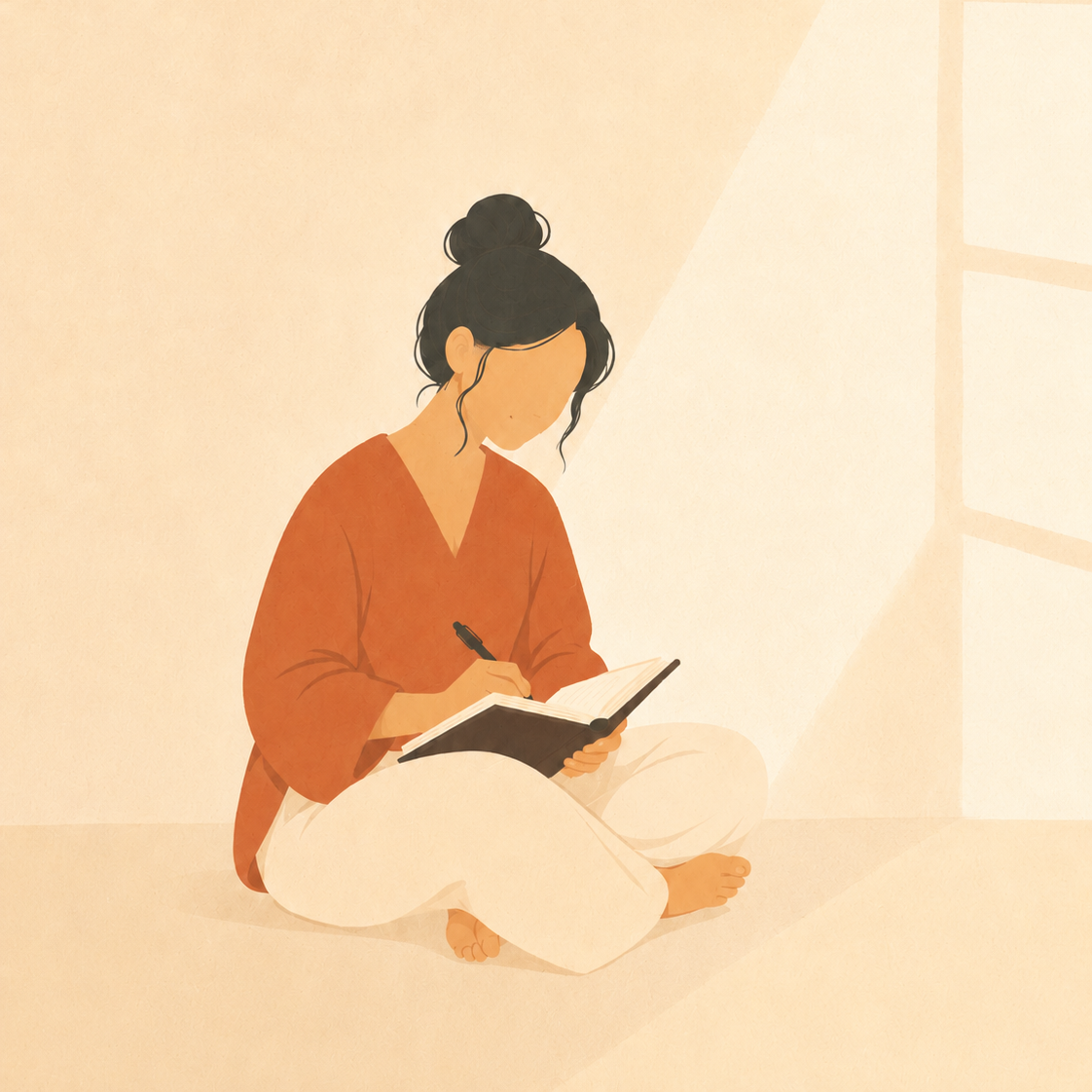
डरबाट मन कसरी मुक्त गर्ने?
सबैभन्दा पहिले डरलाई स्पष्ट शब्दमा नाम दिनुहोस्, जस्तै, “मलाई परीक्षामा फेल हुने डर छ।” त्यसपछि बिस्तारै सास फेरेर शरीर शान्त पार्नुहोस् र तथ्य तथा अनुमान छुट्याउनुहोस्। डर लाग्ने कुराबाट भाग्नुको सट्टा सानो-सानो कदम चाल्दै त्यसको नजिक जानुहोस्। डरले दैनिक जीवनमा बाधा पुर्याउन थालेको अवस्थामा काउन्सिलरसँग कुरा गर्दा सहयोग मिल्न सक्छ।.