Marriage Counseling in Nepal
A marriage can change in ways that are difficult to explain. Perhaps you still share meals, discuss household responsibilities, make decisions about your children, and show up for each other when something important happens. From the outside, your relationship may appear perfectly fine.
But somewhere along the way, the conversations became shorter. You stopped sharing certain feelings. Disagreements began to feel exhausting, and moments of affection became less frequent.
You might find yourself wondering when things started feeling this way.
For many couples, acknowledging these changes is difficult. There may be a fear of making the problem bigger by talking about it, disappointing family members, or admitting that something in the marriage needs attention. Sometimes, both partners recognise the distance but are unsure how to approach it without another argument.
Marriage counseling in Nepal can offer couples a way to understand these changes. It can help explore concerns that have remained unresolved, and work towards a relationship that feels more connected.
Seeking counseling does not mean that your marriage has failed. It means that something important deserves its attention.
This article explores the signs that your marriage may benefit from counseling, the relationship changes professional support can help address, the realities of marriage in Nepal, and how to decide if couple counseling is the right step for you.
When Marriage Becomes Difficult, Understanding What Needs to Change Matters

The Marriage You Have Today May Feel Different From the
One You Started With
When two people are bonded in a marriage, they often carry hopes about what their life together will look like. They may imagine sharing responsibilities, supporting each other's ambitions, raising a family, building financial stability, or simply having someone with whom they can share everyday life.
Over time, those expectations meet reality. Careers become demanding. Children arrive. Financial responsibilities grow. Parents grow older and need support. One partner may spend more time away from home. The way you once understood each other may no longer feel as familiar.
Sometimes, these changes bring partners closer. At other times, they create distance that neither person intended. A partner who once felt easy to talk to may now seem difficult to even approach. The person you relied on for comfort may become someone you hesitate to share your worries with. This does not necessarily mean that love has disappeared. It may mean that the relationship has changed, while the ways you communicate, support each other, and manage responsibilities have not changed alongside it.
7 Signs Your Marriage May Benefit From Counseling
Not every difficult period requires professional support. Couples experience disagreements, misunderstandings, and stressful circumstances at different stages of marriage. However, when certain patterns become persistent, they may be worth paying attention to.
You Have Stopped Talking About What Actually Matters
You may still talk every day. You discuss what groceries need to be bought, who will pick up the children, which bills need paying, and what your family plans are for the weekend. But conversations about how you are feeling have become rare.
Perhaps you no longer tell your partner when something at work has upset you. Maybe you keep worrying about your family to yourself because you do not want to start another difficult conversation. Sometimes, both partners are doing this. The relationship continues functioning, but emotional sharing gradually becomes less frequent.
If you miss being able to talk openly with your partner, couple counseling may help you understand what has made those conversations difficult and how to begin creating space for them again.
Resentment Has Started Replacing Small Acts of Affection
Resentment often develops through experiences that feel unresolved. One partner may feel they are carrying too much responsibility. The other may feel that their efforts are rarely acknowledged. A hurtful comment from months ago may continue to influence how a new disagreement is understood.
Over time, even small interactions can become uncomfortable. A request may sound like criticism. A suggestion may feel like an accusation. An attempt to help may be interpreted as interference. You may notice that you are less patient with each other, or that expressions of affection feel less natural than before. These changes deserve attention, especially when both partners remember feeling closer in the past. Counseling can help couples explore the experiences contributing to resentment, acknowledge the impact of unresolved hurt, and consider what meaningful change would involve.
You Feel More Like Co-Parents or Housemates Than Partners
For some couples, becoming parents changes almost everything about everyday life. Time becomes limited. Sleep becomes irregular. Responsibilities increase, and conversations often revolve around children, school, appointments, and household needs. You may work together effectively as parents while struggling to connect as partners.
Perhaps you rarely spend time together without discussing responsibilities. Maybe you cannot remember the last time you had a conversation that was simply about the two of you. This can be particularly difficult when both partners are trying hard to keep the household running. The concern is not that parenting has become important. It is that the relationship between the two adults may have very little space left within it.
Marriage or couple counseling can help partners explore how they want to balance family responsibilities with their own relationship, without treating either as unimportant.
Every Disagreement Seems to Bring Up the Past

A disagreement about something small may suddenly become a discussion about several years of unresolved concerns. One partner mentions a missed commitment. The other remembers a previous accusation. Before long, the conversation includes old arguments, past disappointments, and experiences that neither person feels have been properly addressed.
This can make conflict feel impossible to resolve. Even when the original issue is settled, the emotional hurt may remain. If you find yourselves repeatedly returning to the same experiences, it may be helpful to understand why those concerns still carry so much weight.
Counseling can provide space to address unresolved issues more carefully, rather than allowing every disagreement to become a reminder of everything that has hurt you.
You Have Started Making Important Decisions Without Each Other
Sometimes, partners stop involving each other in decisions because they expect disagreement. One person may decide how money will be spent, how a family responsibility will be handled, or what a future plan will look like without discussing it first. The other may feel excluded, unimportant, or taken for granted.
This does not always happen because someone intends to disregard their partner. It may develop after repeated disagreements or because making decisions independently feels easier. However, when important decisions increasingly happen without meaningful discussion, the sense of partnership can begin to weaken.
Counseling can help couples understand what makes shared decision-making difficult and identify ways to approach important matters with greater consideration for both partners.
One or Both of You Feel Emotionally Exhausted
Sometimes, the difficulty is not one particular argument. It is the feeling of being tired of trying. You may have explained the same concern many times. You may have apologised without feeling understood. You may have tried to change something, only to find yourselves returning to the same pattern.
One partner may become quieter. The other may become increasingly frustrated. Both may feel that nothing they do makes a difference. Emotional exhaustion can make it difficult to approach relationship problems with patience or hope.
If this describes your experience, counseling may help you understand what has been draining your relationship and whether there are realistic changes that could make things feel more manageable. You do not need to wait until you have nothing left to say.
You Want Things to Improve but Do Not Know Where to Begin
Perhaps you have already tried talking. You have promised to communicate better, spend more time together, or stop bringing up certain disagreements. For a while, things may feel different. Then another stressful situation arrives, and familiar patterns return. This can leave couples wondering if they are simply incompatible or if meaningful change is no longer possible.
Sometimes, the difficulty is not a lack of care. It is that both partners are trying to solve the same problem without understanding what keeps it happening. A marriage counselor can help you identify where the difficulties begin, what each partner experiences during them, and which changes may be worth working towards.
Why Waiting for a Marriage to Reach Breaking Point Can Make Things Harder
Many couples seek support only after a difficult event makes the relationship feel impossible to ignore. An argument becomes more intense than usual. One partner mentions separation. A breach of trust comes to light. Someone finally expresses how unhappy they have been for months.
These moments can be important, but they are not the only times counseling may be useful. When concerns remain unaddressed for a long time, partners may develop stronger assumptions about each other. One person may begin believing that their partner will never listen. The other may feel that nothing they do will ever be enough. Eventually, even an ordinary conversation can carry the emotional weight of previous disappointments.
Seeking support earlier may give couples more room to explore their concerns before those assumptions become deeply established. It can also make it easier to discuss changes while both partners still feel able to participate constructively.
That said, there is no perfect time to begin counseling. Some couples arrive after years of difficulty, and their concerns still deserve to be taken seriously. The important thing is not how long you have waited. It is whether you are ready to understand what is happening and consider what needs to change.
What Marriage Counseling Can Help You Change
Marriage counseling is not about teaching couples to agree on everything. Two people can have different personalities, priorities, communication styles, and expectations while still developing a relationship that feels meaningful to both.
The work often involves understanding how those differences affect everyday interactions and finding ways to approach them more thoughtfully.
From Blaming Each Other to Understanding the Problem
When a marriage feels difficult, it is understandable to focus on what your partner is doing. You may think they are too distant, too critical, too controlling, or unwilling to listen. Your partner may have similar concerns about you.
However, when every discussion becomes a judgement of the other person's character, it becomes harder to understand the actual problem. Counseling can help couples shift their attention from accusations towards the experiences and patterns contributing to conflict.
Instead of asking, "Who keeps ruining our conversations?", partners may begin exploring:
- What usually happens before a disagreement escalates?
- What does each person feel during that moment?
- What makes one partner withdraw or the other become more insistent?
- What could each person do differently when the pattern begins?
This does not mean ignoring harmful behaviour or treating every concern as equally justified. It means understanding the situation more clearly so that appropriate changes can be considered.
From Emotional Distance to Feeling Connected Again
Emotional connection often depends on ordinary moments. A partner asking how your day went. Someone remembering an important concern you shared. Feeling comfortable expressing disappointment without anticipating an argument.
When these moments become less frequent, couples may begin feeling disconnected even while spending considerable time together. Counseling can help partners understand what emotional closeness means to each of them.
For one person, it may involve having meaningful conversations. For another, it may involve shared activities, affection, or feeling supported during stressful situations. Understanding these differences can help couples find ways of connecting that feel genuine rather than forced.
Rebuilding closeness does not always require grand gestures. Sometimes, it begins with making room for the small interactions that have gradually disappeared.
From Unspoken Expectations to Clearer Agreements
Many relationship difficulties begin with expectations that were never discussed clearly. One partner may assume that household responsibilities should be divided in a particular way. The other may have grown up seeing something completely different.
A partner may expect financial decisions to be discussed together, while the other believes certain decisions are their individual responsibility. Neither person may realise how strongly these assumptions influence their reactions.
Counseling can help couples identify these differences and discuss what they actually want their relationship to look like.
This may involve clearer agreements about:
- Household and caregiving responsibilities
- Financial decisions and spending
- Time with relatives and family boundaries
- Parenting responsibilities
- Career decisions and personal goals
- Time together and individual space
The goal is not to create rigid rules for every part of married life. It is to reduce confusion and help partners understand what they can reasonably expect from each other.
From Repeated Hurt to Meaningful Repair
Apologies can matter deeply in a relationship. But sometimes, a partner apologises and the same behaviour continues. Or the hurt partner feels that their experience has been acknowledged verbally but not understood emotionally.
This can make an apology feel incomplete. Meaningful repair often involves more than saying sorry. It may require understanding what happened, recognising its impact, taking responsibility, and demonstrating change over time. Counseling can help couples explore what repair means in their particular circumstances.
It can also help partners recognise that forgiveness, trust, and emotional readiness do not always happen at the same pace. No one should be pressured to move on simply because an apology has been offered.
From Feeling Stuck to Making Thoughtful Decisions
Not every couple begins counseling with the same goal. Some want to improve their marriage. Others are unsure if they want to continue together. Some are trying to understand whether their differences can be addressed.
Counseling can help partners explore these questions without automatically pushing them towards reconciliation or separation. It may involve identifying what each person needs, which concerns feel changeable, and what decisions deserve more careful consideration. Sometimes, greater clarity is itself meaningful progress.
Marriage in Nepal: The Conversations Couples Sometimes Find Difficult to Have
Marriage is shaped by more than the relationship between two people. In Nepal, many couples navigate personal expectations alongside family relationships, cultural responsibilities, financial pressures, and social expectations about marriage.
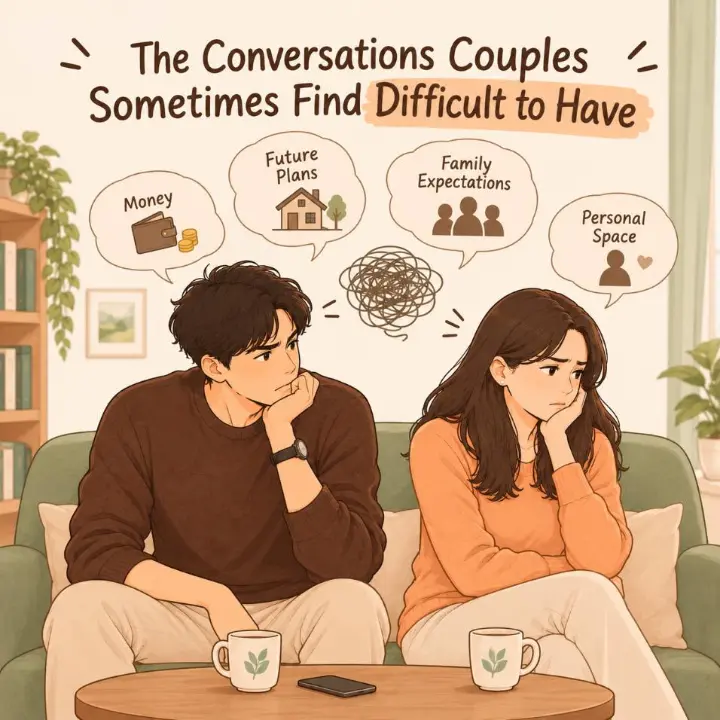
These circumstances differ significantly across households, communities, and individual experiences. There is no single way to describe every Nepali marriage. Still, certain conversations can become particularly difficult when partners feel caught between different expectations.
When Your Marriage and Your Family's Expectations Collide
You may want to make decisions together as a couple while also maintaining close relationships with parents and relatives. Your partner may have different expectations about how much family members should be involved in decisions, how responsibilities should be shared, or what privacy within marriage means.
These differences can become painful when one partner feels that their concerns are repeatedly placed second.
For example, a disagreement about visiting relatives may actually involve a deeper question about whether both partners feel their preferences are being considered.
Counseling can help couples discuss these expectations without assuming that independence and family connection must always compete. The conversation can focus on what both partners value, which boundaries they need, and how they want to handle responsibilities together.
When Financial Responsibilities Become a Source of Tension
Money can carry different meanings within a marriage. For one partner, financial security may mean saving carefully and avoiding unnecessary spending. For another, supporting parents or relatives may be an important responsibility.
Couples may also face pressure involving housing, education, healthcare, children's needs, or financial uncertainty. When these concerns are not discussed openly, disagreements about spending can become disagreements about trust, fairness, or priorities.
Marriage counseling can help partners understand what financial decisions represent to each of them and explore how they want to approach responsibilities together. It does not replace financial advice. However, it can support the conversations that are often difficult to have around money.
When Migration or Living Apart Changes Your Relationship
For some couples, employment or educational opportunities mean spending months or years apart. One partner may be living abroad while the other manages responsibilities at home. Communication may happen mainly through calls and messages, often around busy schedules.
Distance can change how couples experience affection, trust, loneliness, and everyday partnership. The partner living abroad may feel disconnected from family life. The partner at home may feel that responsibilities are not equally understood.
Even when both people are working towards a shared future, the experience of living apart can be emotionally demanding. Counseling may help couples discuss these experiences, understand unmet needs, and consider ways of maintaining connection and shared responsibility across distance.
When You Feel Pressure to Keep Relationship Problems Private
In some families or social circles, discussing marital difficulties outside the home may feel uncomfortable. You may worry that relatives will judge your relationship, that people will misunderstand your decision to seek counseling, or that private concerns will become public conversations.
These fears can make it difficult to ask for support. However, seeking professional counseling does not mean that you have to share your relationship difficulties with everyone around you. It is possible to value family privacy while also recognising that you deserve appropriate professional support.
You and your partner can decide what you wish to share with others, while discussing confidentiality directly with the counselor before beginning.
What Research From Nepal Reveals About Marriage and Relationship Quality
Research from Nepal offers useful insight into how marital relationships are experienced and how relationship quality may connect with personal well-being.
A study titled Determinants of Marital Quality in an Arranged Marriage Society, published in Social Science Research, examined marital quality among couples in Chitwan Valley, Nepal.
The researchers assessed five dimensions of marital quality:
- Satisfaction
- Communication
- Togetherness
- Relationship problems
- Disagreements
The study found that marital quality involves several different dimensions rather than a single measure of whether a marriage is successful.
This is important because a couple may experience closeness in certain areas while struggling in others. Partners may share responsibilities effectively but find emotional communication difficult. They may feel satisfied with their family life while experiencing recurring disagreements.
The study helps provide a Nepal-specific understanding of marital quality. It does not examine marriage counseling or establish whether counseling improves relationships.
Another relevant study, A longitudinal study of the role of spousal relationship quality and mother-in-law relationship quality on women's depression in rural Nepal, published in SSM - Mental Health, followed 200 newly married women aged 18 to 25 in Nawalparasi district.
The researchers collected data over four rounds between 2018 and 2020. They found that better relationship quality with husbands and mothers-in-law was associated with lower depressive symptom severity among the women studied.
The findings highlight the importance of relationship quality and family dynamics in understanding the well-being of newly married women in this particular setting.
These studies should not be interpreted as evidence that counseling will necessarily improve a marriage or prevent depression. They are observational research, and their findings do not establish cause and effect.
However, they offer an important reminder: the quality of relationships within a marriage and the wider family environment can matter to people's everyday experiences and well-being.
Frequently Asked Questions About Marriage Counseling in Nepal
Is marriage counseling only for couples experiencing serious problems?
No. Couples may seek counseling when they notice communication difficulties, emotional distance, or differences in expectations, even if their relationship is not in crisis.
Some couples also seek support to address concerns before they become more difficult to manage.
Can marriage counseling help after years of unresolved conflict?
Counseling may help couples understand longstanding patterns, explore unresolved hurt, and identify areas where meaningful change may be possible.
The amount of time a concern has existed does not automatically determine whether counseling will be useful. Outcomes depend on the circumstances, the concerns involved, and the willingness and safety of both partners to participate.
Can counseling help if we are considering separation?
Yes. Counseling can help partners explore their concerns, understand their experiences, and consider their options more thoughtfully.
It should not be used to pressure either partner into remaining in the marriage. The goal is to support informed decisions rather than impose a particular outcome.
How long does marriage counseling usually take?
There is no fixed number of sessions that suits every couple.
The duration depends on the concerns being addressed, the goals of counseling, the professional approach, and how the work progresses.
A counselor can discuss expectations and review progress with you as sessions continue.
Is marriage counseling available online in Nepal?
Online counseling can make professional support more accessible to couples who live in different locations or have difficulty attending in person.
Saharamind offers online couple therapy. Couples can explore the service to understand its arrangements and whether it is appropriate for their needs.
How do we find a marriage counselor in Nepal?
Start by reviewing the professional's qualifications, experience, and areas of practice.
Consider whether both partners feel comfortable with the counselor's approach and ask about the counseling process, confidentiality, session arrangements, and fees.
You can explore Saharamind's therapist directory to learn about available professionals and their profiles.
Your Marriage Deserves More Than Simply Getting Through Each Day
There is a difference between sharing a life with someone and feeling connected to the person you share it with. You may be managing responsibilities together, making important decisions, raising children, and supporting your families. Yet you may still miss the feeling of being understood by your partner.
That feeling deserves attention. A marriage does not need to be perfect to be meaningful. It does not need to be free from disagreements, difficult conversations, or changing expectations. What matters is whether both partners have space to express themselves, understand one another, and approach concerns with care.
Marriage counseling can offer an opportunity to recognise what has changed, address what has been hurting, and explore what you want your relationship to become. Sometimes, the first meaningful step is simply acknowledging that things have been difficult.
If you and your partner have been finding it hard to understand each other, Saharamind is here to help you explore professional support. You can visit Saharamind or explore Saharamind's therapists to learn more about finding support that may be appropriate for your relationship.
You do not have to wait until your marriage feels unrecognisable before giving it the attention it deserves.